
In the immediate vicinity of the Stazzu
Luogosanto,a sacred village in the heart of Gallura
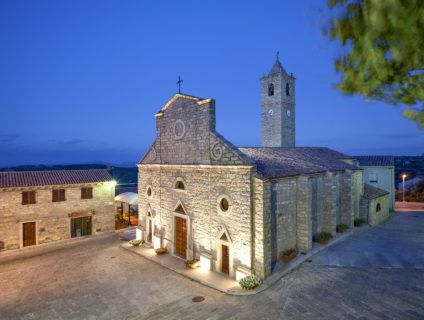
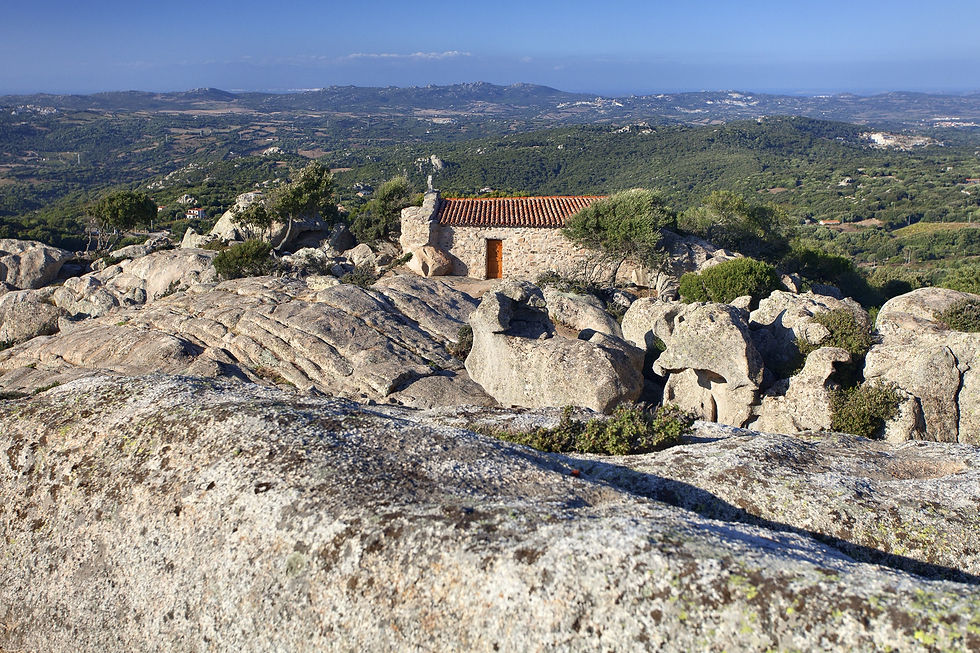
Luogosanto is located in the green interior of northern Sardinia, a serene and historic village surrounded by rolling hills, forests, and impressive granite formations. It is known as a sacred place, with 22 small shrines scattered across the landscape.
The village was founded in the 13th century, when the Franciscans built one of their first monasteries here. Today, you can discover an atmospheric museum and documentation center that brings the medieval history of Gallura to life.
In the center of the village stands the Basilica of Nostra Signora di Luogosanto, a popular pilgrimage site that attracts visitors every year during the feast of the Virgin Mary on September 8. The region also has more than 350 traditional stazzi.
Santa Teresa Gallura
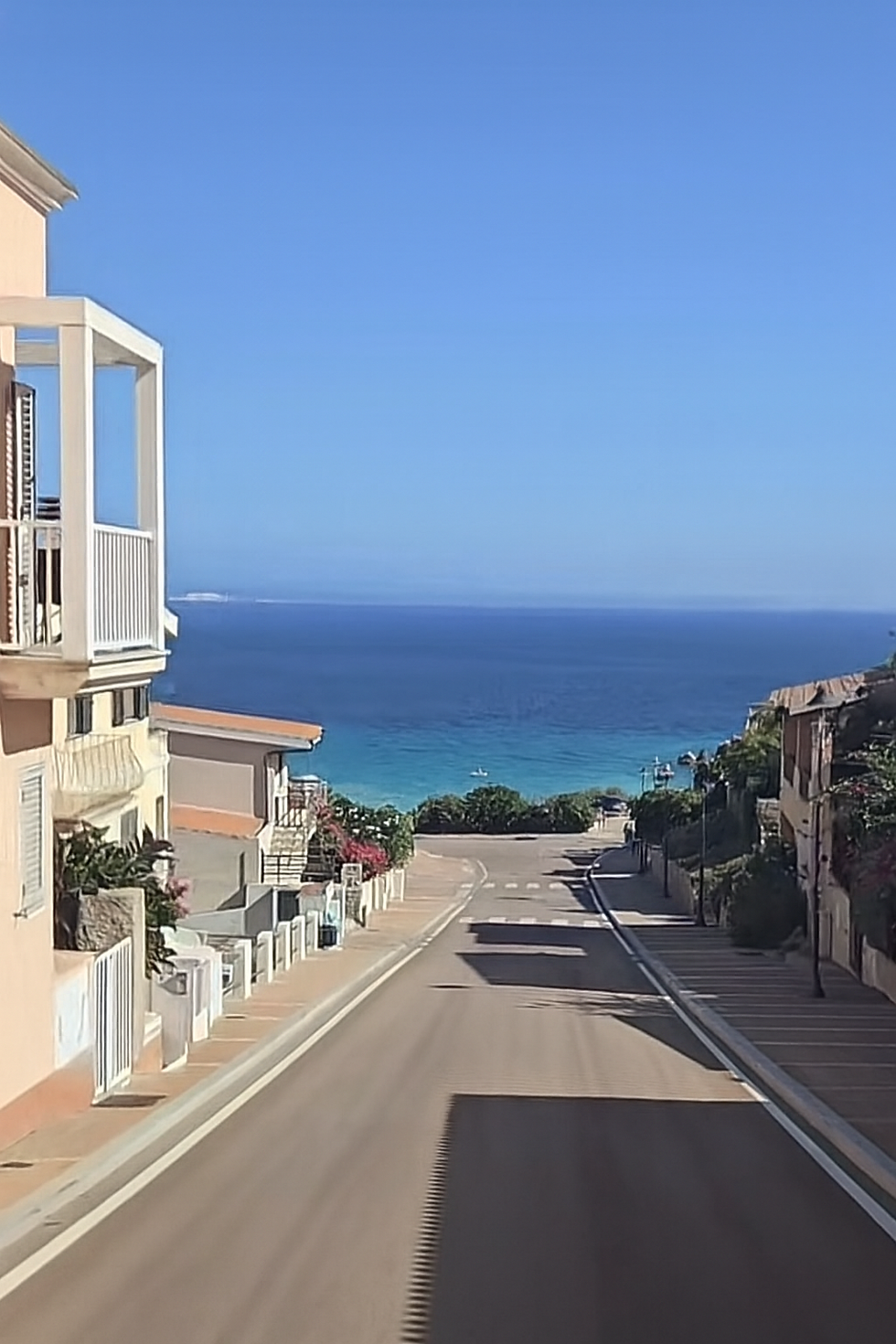
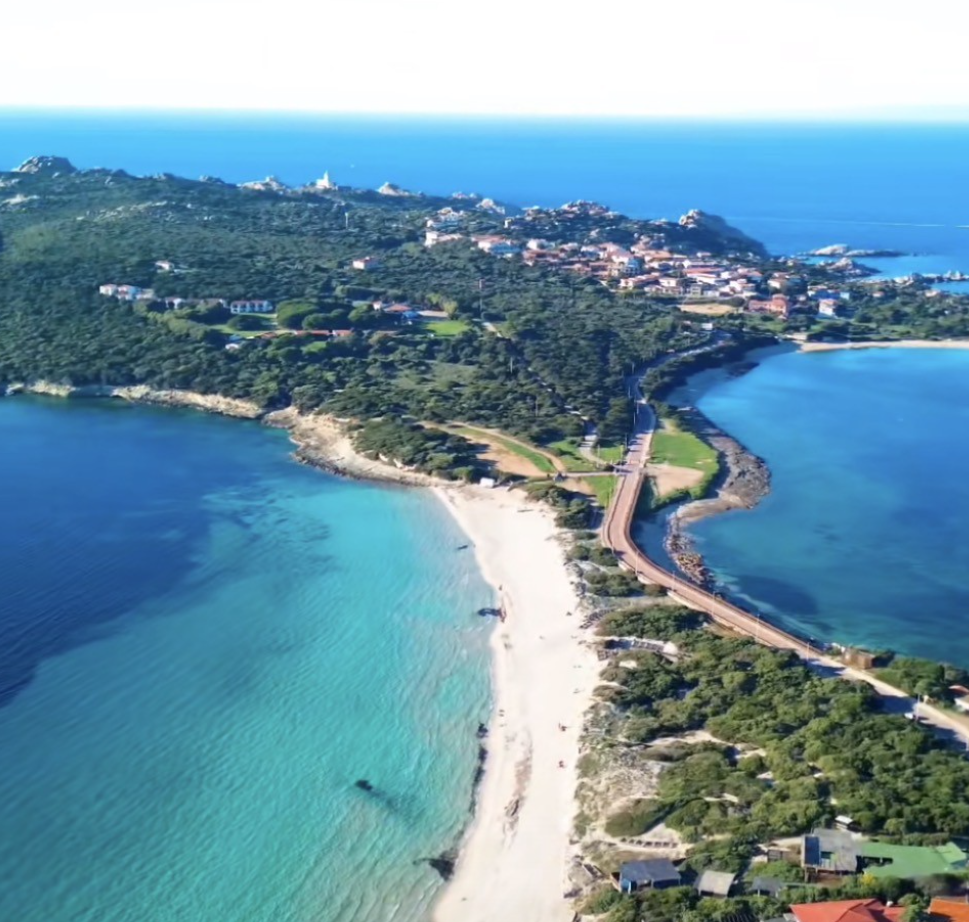
Just half an hour from our B&B lies Santa Teresa di Gallura, a charming coastal town that has a surprising amount to offer. The combination of clear blue beaches, rugged granite formations, historic sites, and viewpoints over Corsica makes it one of the most beloved places in northern Sardinia.
Beaches & nature
-
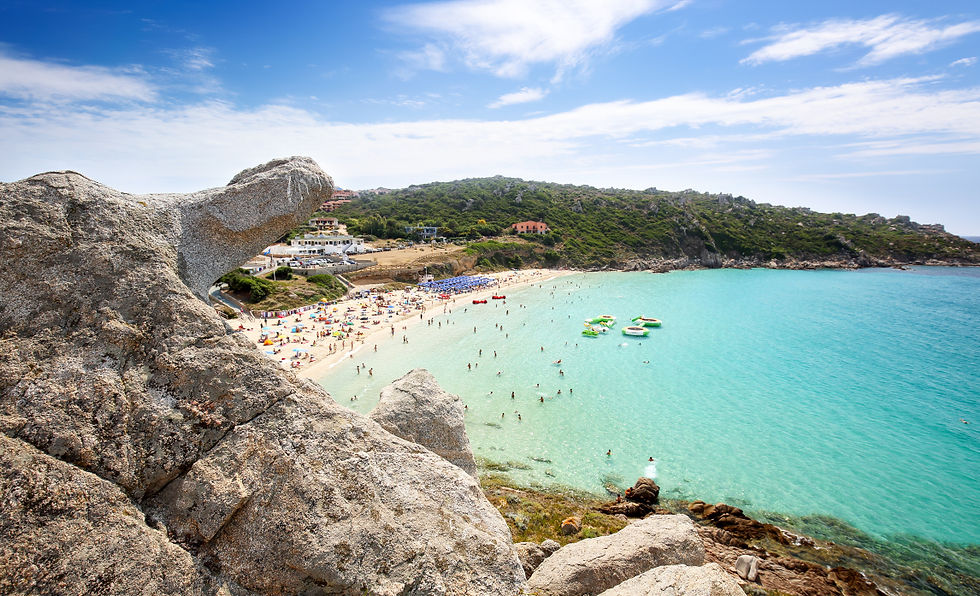
Rena Bianca, Santa Teresa's most famous beach: white sand, turquoise water, and views of Bonifacio. Perfect for a relaxing day.
-
Capo Testa, a rugged peninsula with granite rock formations, hidden coves, and hiking trails. Ideal for sunsets. Capo Testa is a protected marine nature reserve where the Mediterranean Sea still exists in its purest form. This area of more than 5,000 hectares includes sculptural granite formations above water, sheltered bays shaped by the wind, and a colorful, vibrant underwater world full of biodiversity.
-
Valle della Luna, a landscape that feels almost otherworldly. Round rocks, small canyons, and natural caves create an atmosphere that is both playful and spiritual.
History & culture
-
Torre di Longonsardo, a 16th-century watchtower with panoramic views of Corsica. One of the symbols of the city.
-
The historic center with narrow streets, a cozy square, and a Mediterranean atmosphere. Perfect for strolling around in the evening.
-
Archaeological sites that showcase the long history of Gallura.
-
Lu Brandali Nuraghe complex. An impressive settlement from the Nuraghe culture, where you can walk among the stone remains of a civilization that shaped the island thousands of years ago.
-
Tomba dei Giganti La Testa. One of the mysterious “giants' tombs,” monuments built long before our era. They are semicircular in shape and consist of enormous stones firmly anchored in the earth. These places exude an almost ritualistic silence and offer a glimpse of Sardinia before the history books.
-
Activities & excursions
-
Sea mammal spotting, a rare moment in nature Around the end of June, whales and dolphins migrate through the Strait of Bonifacio, a spectacular and surprisingly little-known phenomenon.
-
Water sports – Snorkeling, diving, and kayaking are popular here thanks to the clear water and rocky coastline.
-
Boat trip to the La Maddalena archipelago – One of the most beautiful day trips in northern Sardinia: crystal clear bays, pink beaches, and snorkeling.
-
Ferry to Bonifacio (Corsica) – From the port, you can reach one of the most spectacular towns in Corsica in 50 minutes.

Describe your image
Tempio Pausania
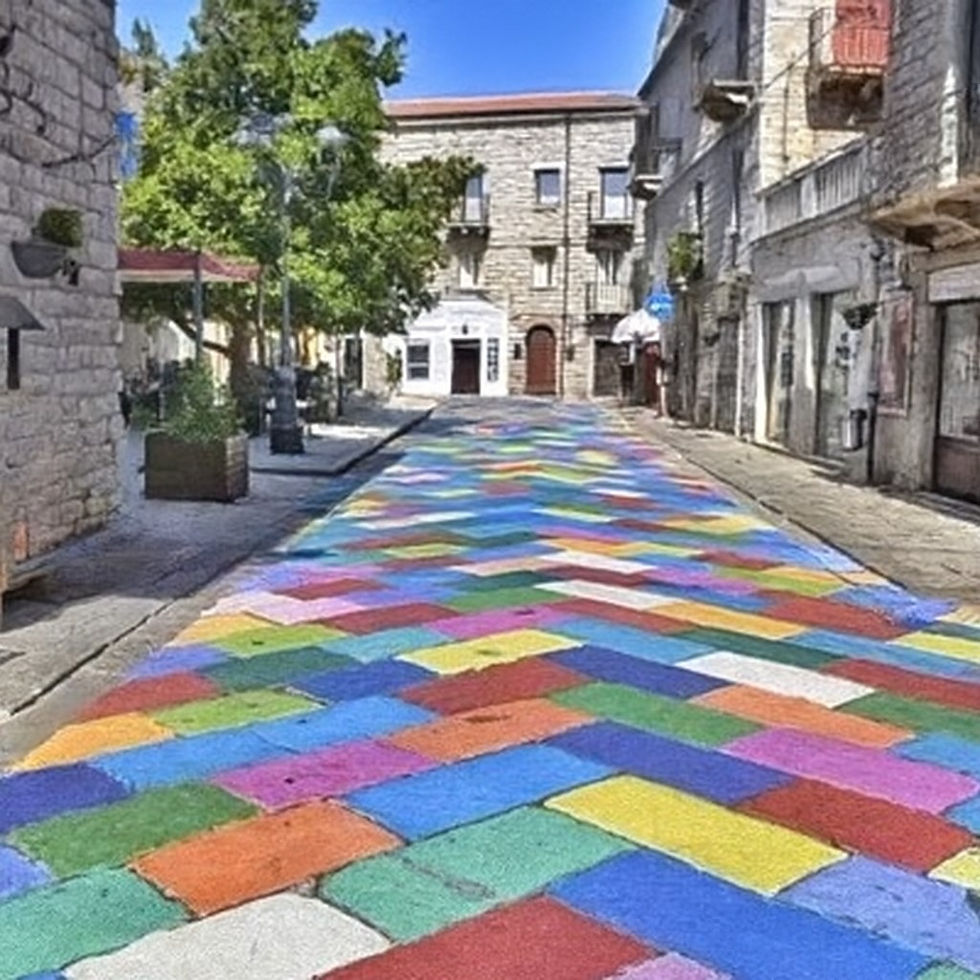
Tempio Pausania is an elegant granite town in the heart of Gallura, known for its tranquil charm and centuries-old architecture. It belongs to the Borghi Più Belli d'Italia, a recognition for the most beautiful villages in the country. The old houses and palaces, mostly from the 17th and 18th centuries, give the center a timeless, almost aristocratic appearance.
Although there are stories that Tempio was built on Roman foundations, this has never been proven. We do know that the Romans were active here.
With approximately 13,000 inhabitants, Tempio is one of the larger towns in northern Sardinia. The historic center around Piazza San Pietro is the most beautiful part of town, home to the Cathedral of San Pietro, the Chiesa di Santa Croce, and the Oratorio del Rosario. The current facades date from the 17th and 18th centuries, but their origins go back much further.
Tempio Pausania is ideal for a leisurely stroll through narrow alleys, a coffee on a sunny terrace, or lunch featuring Gallurese specialties.
Viale Fonte Nuova begins on the outskirts of town, near the post office.
A beautiful, shady avenue leads to the Fonte Nuova spring. (see map)
Below the spring, the water flows through several artificial basins and waterfalls.
Here you can rest in the shade and enjoy the view of Aggius. In the evening, the avenue is a popular walking route for the residents of Tempio.
The spring is located in a beautiful, shady park on the southwest side.
Here you can relax in the shade and enjoy the view of Aggius. In the evening, the avenue is a popular walking route for the residents of Tempio.
The spring is located in a beautiful, shady park on the southwestern edge of Tempio (see map).
The locals like to use the park as a picnic spot, and it can get quite crowded, especially on weekends.
The water from the spring is considered diuretic and beneficial for kidney disorders. Its medicinal properties were already known in ancient times and are renowned throughout Sardinia.
According to analyses, it is classified as “cold, natural oligomineral water from granite rock.”
History & culture
-
Tempio Pausania, the largest town in the Gallura hinterland, offers a charming atmosphere.
-
The historic cobbled streets and houses in the center are made of light granite from the surrounding area. The most beautiful facades can be found along Via Roma and in Piazza Gallura.
-
The town is also known for its mineral springs, some of whose water is bottled and sold throughout Sardinia.
-
There are three churches in Piazza San Pietro: Chiesa Santa Croce, Oratorio del Rosario, and Cattedrale San Pietro (photo).
-
The cathedral is the largest church in Tempio Pausania and also the church with the most magnificent interior. The building dates from the 15th century. Colorful mosaics were added to the facade later. The entrance is somewhat hidden on the west side.
-
Museum of Cork Machinery. The museum has six exhibition rooms spread over two floors, offering a historical tour of cork processing machinery. The tools and equipment have been restored for the collection. Among other things, you can admire the saw (sarra a nastru), hot and ink stamping machines, and molds for cork production. Admission to the museum is free.
-
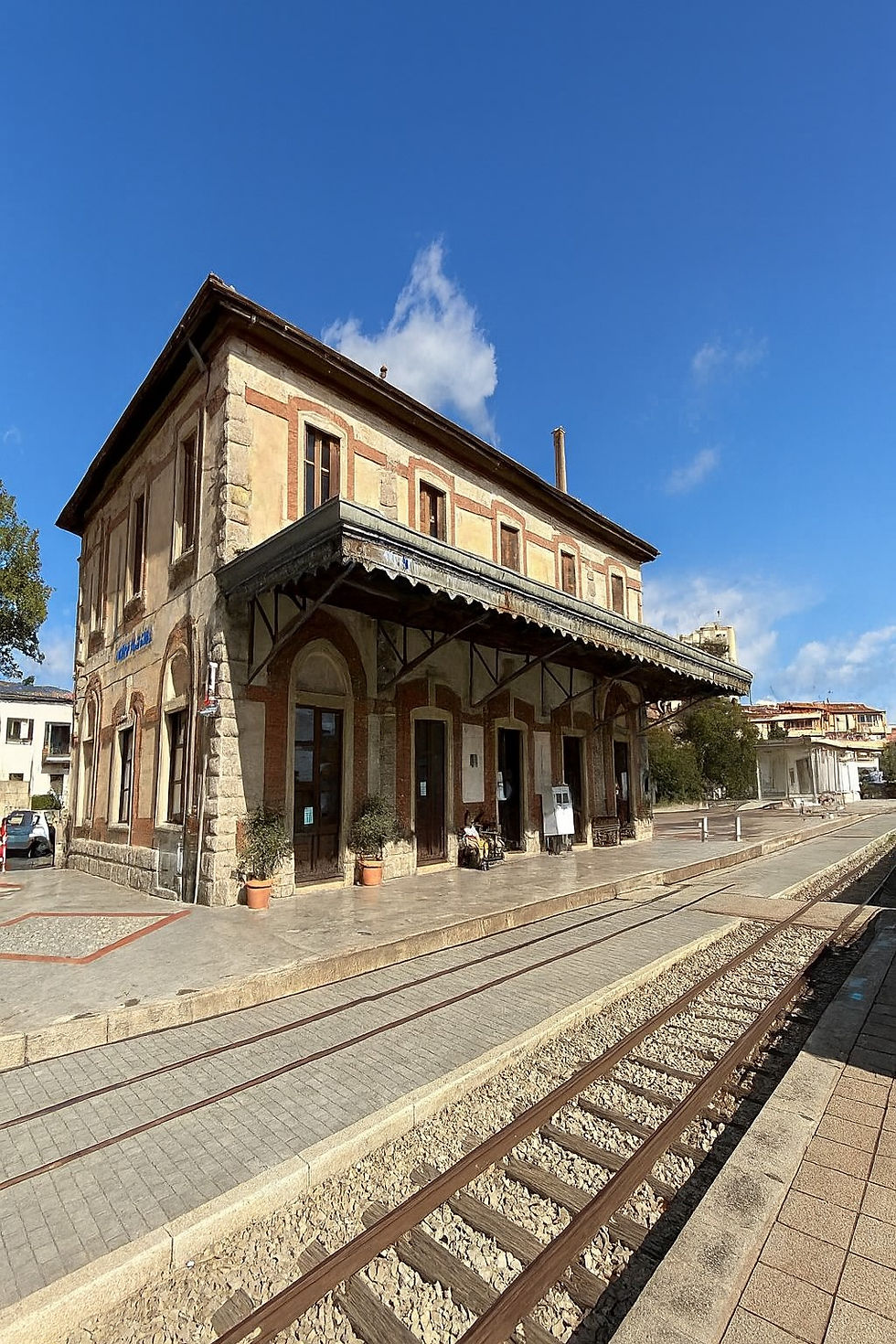
Museo della Stazione is a small but charming train museum that tells the story of the historic railway line. In and around the station, which dates from 1931, you will find restored locomotives, a carriage from 1913, and old workshop machines. The building itself is a beautiful example of Liberty architecture. The museum is part of the former Sassari–Tempio–Palau railway line, now best known for the tourist Trenino Verde, which winds its way through the granite mountains and valleys of Gallura. https://www.treninoverde.com/
-
The Cork Machine Museum (Museo delle Macchine da Sughero) in Tempio Pausania is located at 9 Limbara Street. The museum has six exhibition rooms spread over two floors, with a historical tour of cork processing machines. The tools and equipment have been restored for the collection. Among other things, you can admire a saw (sarra a nastru), hot and ink stamping machines, and dies for cork production. Admission to the museum is free.
Lu Carrasciali Timpiesu

Future Activities
-
Experience pure relaxation in our wood-fired hot tub, outdoors and surrounded by majestic mountain views. Enjoy luxury and nature in perfect harmony!
-
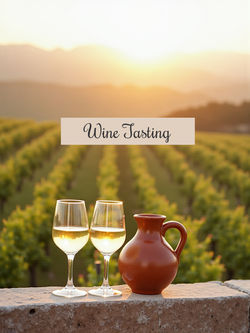
Or book a wine tasting and explore Sardinian and Italian wines. Italy has a rich wine culture, with different regions offering unique grape varieties and flavor profiles. The combination of different climates and soil types creates wines with a wide range of flavors, aromas, and textures.
-
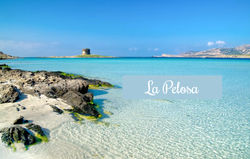
La Pelosa is a breathtaking beach in Sardinia, famous for its crystal-clear turquoise waters and fine, white sand. La Pelosa is not only a place for sunbathing and swimming, but also an ideal location for photographers and nature lovers. The unique beauty of this beach makes it a must-see destination for anyone visiting Sardinia.
-
The Thermal Baths of Casteldoria are natural, sulphurous hot springs in the Coghinas River in Sardinia, known for their therapeutic properties for joint and skin problems, where you can bathe in the natural pools for free
 |  |  |  |
|---|---|---|---|
 |  |